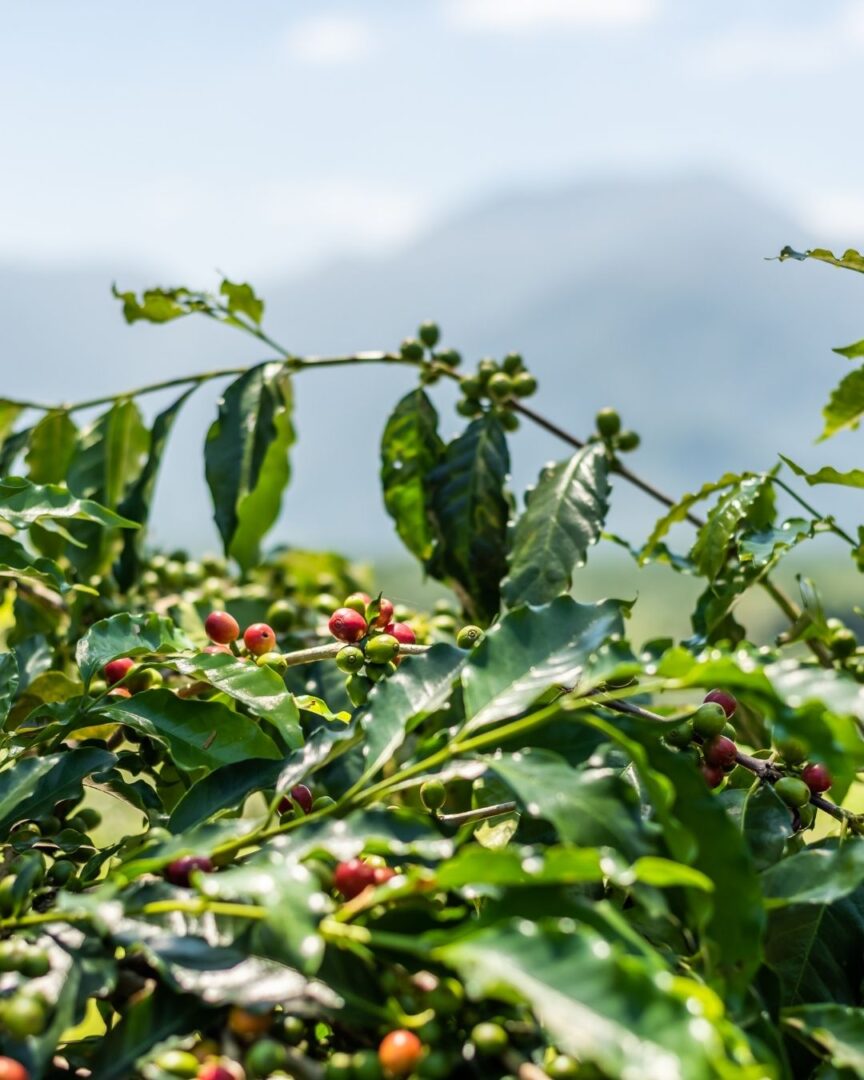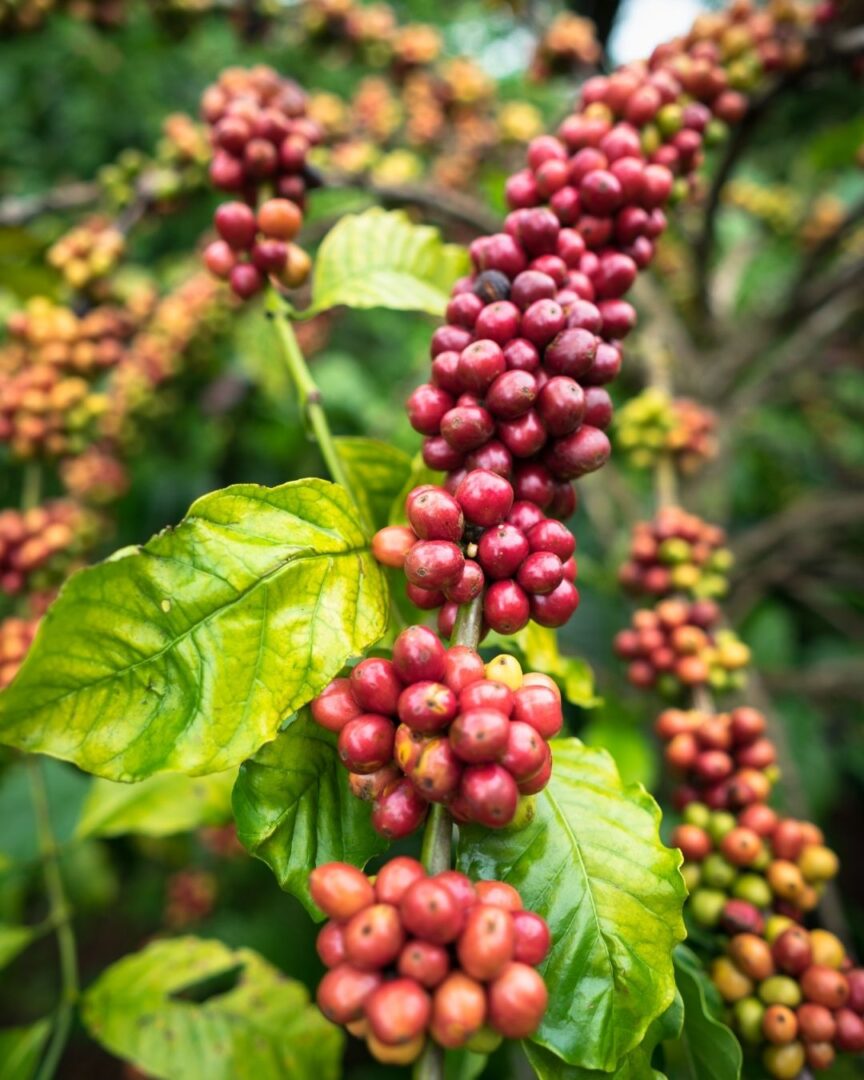
Coffee production in Ethiopia is a longstanding tradition, which dates back dozens of centuries. Ethiopia is where Coffea arabica, the coffee plant originates. The plant is now grown in various parts of the world; Ethiopia itself accounts for around 3% of the global coffee market.
Coffee cultivation, preparation, and consumption have shaped daily life in Ethiopia for hundreds of years, dating back to the discovery of coffee trees growing naturally in the wild. While precise historical records are scarce, it is believed that coffee entered international trade as early as the 14th century and has played a vital role in the nation’s economy ever since. Following the establishment of the Ethiopian Empire in the late 18th century, coffee production and exports increased significantly and became more formally organised.
Common Arabica varieties:
JARC Varieties and Local Landraces
Key growing regions:
Guji, Yirgacheffe, Sidamo/Sidama, Gedeb, Kochere, Limu, Nekempti, and Jimma (Djimma)
Harvest months:
Main harvest: October – January (most regions such as Sidama, Yirgacheffe, Limu) | Later harvest: February – April (notably Lekempti area)
Abera and his family started coffee farm in 1998 in Guji Zone Elaferda Woreda as red coffee suppliers for coffee washing stations, but he couldn’t get enough money to support his family. For that reason, he decided to travel to Debub region, Gedeo zone, Gedeb Woreda in 2016.
After struggling, the family became the owners of a total of 28H coffee farm (14.50 H in Gedeb Woreda and 13H around Guji zone). Beside family business, his son Habtamu Abera works as red cherry coffee supplier for washing stations for the past 4 years and now he has his own coffee washing site around his family farm. So the family uses Habtamus’ washing station to wash coffee for AMG. They also work together with Halo Beriti cooperative in the issue of coffee harvesting, preparation, and farm management. Their farm is also included in AMG’s organic certificate, RFA program.
Varietal: 74110, 74158
Producer: Ashenafi Olama, Simegn Gemede
Processing: Washed with 36 – 40 hrs of initial fermentation and dried on a raised bed
Elevation: 1,650 – 2200 MASL
Region: Gedeo Zone, Halo’Hartume, Yirgacheffe Gedeb Woreba
Cup Profile: AROMA OF GOLDEN RAISIN, TART ACIDITY. FLAVORS OF HONEY AND RASPBERRY, LIGHT BODY, TEA-LIKE AFTERTASTE
Arsosala washing station was established in 2016 and located in one of the highest altitude areas on Guji Zone Uraga district. 800-1000 farmers supply coffee cherries to this washing station. The farmers travel from a radius of 5km from this washing station and this station provides different incentives like premium price, credit service to farmers so that they receive the best quality cherries. The company also provides training to farmers that enhance the quality and productivity of coffee.
The average farm size in this area is 2 hectare and most of the coffee is grown as garden coffee as farmers also grown other products.
Varietal: Bourbon
Producer: Various Smallholders
Processing: Washed
Elevation: 2,200 – 2300 MASL
Region: Oromia Region, 12km from Haro Wachu Town
Cup Profile: HERBAL FRAGRANCE, HERBAL TO FLORAL AROMA. MEDIUM BODY AND ACIDITY, SWEET FRUIT, PEACH, PINEAPPLE, BLUEBERRIES, AND RUE. LONG-LASTING AFTERTASTE
Kochere Rego washing station was established in 2010 and located in one of the top-quality coffees growing region, in Kochere district of Gedeo Zone of the Southern Nations and Nationalities region. About 700-800 farmers supply coffee cherries to this washing station traveling from 3-4 km radius from the washing station. The station provides different incentives like premium price, credit service and trainings to farmers so that to receive best quality cherries.
Varietal: Heirloom
Producer: Girma Tekebo
Processing: Washed
Elevation: 1,790 – 1,900 MASL
Region: Southern Region
Cup Profile: FLORAL FRAGRANCE, FLORAL AROMA, MEDIUM BODY AND ACIDITY, SWEET FRUIT, STRAWBERRY, ORANGE AND TROPICAL FRUIT.
Chelchele washing station was established in 2014 and is located in one of the top-quality coffee growing regions in the Gedeb district. Around 700- 800 farmers supply their coffee cherries to this wash station travelling from around 3km radius.
Chelchele washing station provide different incentives like premium price, credit service to farmers so that to receive best quality cherries. The company also provides training to farmers to enhance the quality and productivity of coffee. The average farm size in this area is 1.5 hectares.
Varietal: Heirloom
Producer: Various Smallholders
Processing: Natural
Elevation: 2,200 – 2,300 MASL
Region: Gotiti, 15km From Gede Town
Cup Profile: RICH AND DYNAMIC CUP WITH VIBRANT FLAVOURS OF RIPE BERRY, CHOCOLATE AND TROPICAL FRUITS, ENHANCED BY FLORAL AROMA, BRIGHT ACIDITY, AND A FULL-BODIED, SMOOTH MOUTHFEEL THAT CULMINATES IN A CLEAN, LINGERING FINISH.
This family started the coffee farm business 2 decades ago and coffee of this area is well known for its high quality having a nice cup profile (citrus, sweet, floral, sparkling acidity). The family supply/prepare both washed and natural (sun dried) coffee for AMG, process their coffee on their own station or AMG’s.
Varietal: Wilsho, Kumle, Diga, 74110, 74158
Producer: Ashenafi Olama, Simegn Gemede
Processing: Washed with 36hrs of initial fermentation and dried on a raised bed
Elevation: 1,900 – 2200 MASL
Region: Chelchele Kebele, Gedeb Woreda, Gedeo Zone
Cup Profile: DELICATE AROMA OF GREEN GRAPE AND JASMINE, SOFT ACIDITY. FLAVORS OF MILK CHOCOLATE AND RAISINS, LIGHT BODY, LIGNERING AFTERTASTE
This coffee comes from the Gogogu washing station in the Kofee district of Guji, Ethiopia. This washing station produces both washed and natural coffees in the traditional Ethiopian way of processing ripe cherries. Over 700 farmers deliver cherry here from roughly 5km in each direction from the mill. Average farm size is roughly 2 hectares and coffee is the main source of income in this region.
Varietal: Bourbon
Producer: Various Smallholders
Elevation: 2,150 MASL
Processing: Natural
Region: Oromia Region, West Guji Zone, Kofele District
Cup Profile: FRUITY NOTES OF STRAWBERRY, PEACH, CONCORD GRAPE, BLUEBERRY, AND ORANGE BLOSSOM, WITH A LIVELY ACIDITY
Over time, the demographic makeup of the Guji residents has shifted significantly. In the past, the majority of them were engaged in pastoralism, tending to their cattle herds. However, the situation has changed drastically, with less than one percent of the population now involved in these traditional occupations. The majority of individuals have transitioned to a career in agriculture.
The Guji region is highly suitable for farming. Given the pristine condition of the land, the soil boasts exceptional fertility. There is no need for additional fertilizer in this situation. According to a coffee farmer, organic practices are the norm here.
Varietal: Heirloom
Producer: Small Farmer Coop
Processing: Natural
Elevation: 1,900 – 2,110 MASL
Region: Oromia Guji
Cup Profile: BALANCED AND CREAMY COATING, WITH NOTES THAT ARE MILD AND FLORAL, AND FLAVORS THAT LINGER AND ARE STRUCTURED. THE BLEND OF CHOCOLATE, CHERRY, AND TROPICAL FRUIT RESULTS IN A REFRESHING AFTERTASTE
Over the course of several centuries, the Guji people, along with the rest of the Oromo people, have been cultivating coffee in their fields. Even today, a significant number of Guji farmers continue to cultivate their Guji coffee using traditional methods. It is common practice to intercrop coffee with food crops in order to make the most efficient use of land and to ensure that families have access Basic necessity.
Varietal: Heirloom
Producer: Small Farmer Coop
Processing: Washed
Elevation: 1,900 – 2,110 MASL
Region: Oromia Guji
Cup Profile: CRISP AND MEDIUM BODY, A CREAMY TEXTURE THAT LINGERS ON YOUR PALATE. FLORAL NOTES OF GINGER AND ORANGE BLOSSOM, JUICY TROPICAL FRUIT AND PEACH FLAVORS BRING A BURST OF SWEETNESS. CITRUS UNDERTONES AND A CLEAN FINISH
The Guji Co-Op Washing Station, located in the high-altitude region of Guji Zone district, is where the magic unfolds. We meticulously choose the coffee cherries from a network of 900-1300 producers located within a 10km radius, guaranteeing that only the finest cherries are selected. The coffee is cultivated in garden plots alongside other crops, resulting in a distinctive flavor profile. The average farm size of 2 hectares contributes to the professional approach taken in its cultivation.
Varietal: Mix Heirloom
Producer: Small Farmer Coop
Processing: Natural
Elevation: 1,900 – 2,000 MASL
Region: Oromia Guji
Cup Profile: SILKY IN TEXTURE, WITH A FLORAL AND VELVETY CHARACTER. ITS FLAVOR PROFILE IS WELL-BALANCED AND PRECISE, WITH A TOUCH OF ASTRINGENCY AND TANGINESS. RICH COCOA NOTES, ALONG WITH FRUITY AND NUTTY UNDERTONES, AND HINTS OF PLUM AND DRIED FRUIT
Natural processed Ethiopians are wilder and more gamey in taste. They usually have a sweetness to them along with a heavier body. The beans are picked by the farmers and then spread out to dry in the sun. They are then raked every few hours throughout the day.
This process means that they are not always dried evenly, which helps create the funky taste of an Ethiopian natural. It’s a proud tradition and it certainly packs a punch!
Varietal: Heirloom
Producer: Various Smallholders
Elevation: 1,200 – 2,00 MASL
Processing: Natural
Washing Station: Wonberta Hambela
Region: Guji Zone, Oromia
Cup Profile: clean, honey, creamy apricot, chocolate, tropical fruity and complex
Guji is a zone in South-Eastern Oromia. Guji produces excellent coffee due to the land being an untouched forest for the longest of times making the land very fertile. The high altitude also adds to the quality of the coffee.
Tracon’s Gogogu Station is named after the “Kebele” or sub-district it’s located in. The station took deliveries from 470+ farmers in the 2024/2025 harvest season which comes to about 450,000 kg of cherries.
The lactic solution was made with a 2% salt concentrate and fermented for 72 hours which resulted in a very fruity yet fermented notes in the cup.
Varietal: 74410, 74412, Heirloom
Producer: Various Smallholders
Elevation: 1,200 – 2,00 MASL
Processing: 72hrs Lactic
Region: Guji Zone, Oromia
Cup Profile: SWEET, CITRUS AND TROPICAL FRUITS. TEA-LIKE BODY, DELICATE ACIDITY, SOFT AND CLEAN
Shakiso is a resourceful area with very fertile land, great coffee and a flourishing mining business. Most of the coffee trees in this area are pretty young and their varieties is usually 74410 and 74412. These two varieties have shown the most restistance to Shakisso’s environment whilst still showcasing its coffee profile.
Farmers in Shakiso on average have a farm land bigger than most areas at 4 hectares.
Guji is the largest coffee growing region for specialty coffee in Ethiopia. The region possess young coffee trees compared to neighbouring origins such as Yirgacheffe.
Varietal: 74410, 74412
Producer: 700+ Smallholders
Elevation: 2,000 – 2,150 MASL
Processing: Washed
Region: Guji Zone, Oromia
Cup Profile: FLORAL, SWEET AND STONEFRUIT. TEA-LIKE BODY, SOFT ACIDITY. CLEAN CUP
Uraga is a resourceful area with very fertile land, great coffee and a flourishing mining business. Most of the coffee trees in this area are pretty young and their varieties is usually 74410 & 74412. These two varieties have shown the most resistance to Uraga’s environment whilst still displaying its coffee profile. Farmers Zelalem collects his coffees from an average area of 1.4 hectares of land which were passed down from previous generations.
Guji is a zone in the South-Eastern Oromia. Guji produces excellent coffee due to the land being an untouched forest for the longest of times making the land very fertile.
Varietal: 74410, 74412, Heirloom
Producer: 600+ Smallholders
Elevation: 2,000 – 2,350 MASL
Processing: Natural
Region: Guji Zone, Oromia
Cup Profile: TEA-LIKE BODY, SOFT ACIDITY, CITRUS, TROPICAL FRUITS
Natural processed Ethiopians are wilder and more gamey in taste. They usually have a sweetness to them along with a heavier body. The beans are picked by the farmers and then spread out to dry in the sun. They are then raked every few hours, throughout the day.
This process means that they are not always dried evenly, which helps create the funky taste of an Ethiopian natural. It’s a proud tradition and it certainly packs a punch!
Varietal: Heirloom
Producer: Various Smallholders
Elevation: 1,200 – 2,000 MASL
Processing: Natural
Washing Station: Wonberta Uraga
Region: Guji Zone, Oromia
Cup Profile: clean, honey, creamy apricot, chocolate, tropical fruity and complex
Coffee still grows wild in Ethiopia’s mountain forests. Ethiopian farmers cultivate coffee in four different systems, which include forest coffee, semi-forest coffee, garden coffee and plantation coffee. About 98% of the coffee in Ethiopia is produced on small farms and it is the country’s most important export.
Ethiopia is Africa’s third largest coffee producer. There are about 700,000 coffee smallholders in Ethiopia, of which 54 percent are in semi forest areas. Coffee has been part of their indigenous cultural traditions for more than 10 generations.
Varietal: Heirloom
Producer: 675 Producers Around the Mills
Elevation: 1,850 – 2,150 MASL
Processing: Fully Washed
Region: Kochere, Gedeo Zone
Cup Profile: crisply sweet, jasmine, lemon zest, peach, sandalwood, almond in aroma and delicately rich cup. very classy Yirgacheffe
Ethiopia is recognised as the country where Arabica coffee flourished to become specialty coffee and keep the industry alive. Due to the genetic potential of the land, the region has the capabilities to produce delicious and complex flavours, unlike anywhere else in the world.
The history and mystery of coffee’s discovery and early cultivation in Ethiopia intrigues self-described coffee nerds. Ethiopia’s traditional coffee ceremonies inspire coffee pros from around the world to pause, slow down and savour the full experience of preparing or enjoying coffee.
Varietal: Heirloom
Producer: Various Smallholders
Elevation: 1,550 – 2,200 MASL
Processing: Natural
Region: Western Ethiopia
Cup Profile: mostly a fruity flavoured brew, with sharp/bright lingering acidity
This washing station founded in Limu Kossa is managed by full-time farmers that focus on cultivating exquisite Ethiopian Heirloom varietals across 3,250 hectares of land.
These farms cultivate their Heirloom varietals to be as close to their wild-grown counterparts as they can, made possible by exceptional agroforestry practices. The plants grow in the shade of 43 different species of trees, allowing for slow cherry development and beans that are more dense and flavourful.
Varietal: Heirloom
Producer: Yidnakachew Dabesa
Elevation: 1,200 – 2,00 MASL
Processing: Washed
Washing Station: Wonberta Coffee
Region: Yirgacheffee, Oromia
Cup Profile: bright, highly fragrant and deeply full of rich flavours. sweet berry fruits combine with flowery flavours pushing forward a floral jasmine aroma
Mormora washing station was established in 2022 and is located in a highly productive area know for its exceptional coffee quality. It sources cherries from 700-1000 farmers who travel 2-5km to deliver their harvest.
On average, these farmers own about 1.5 hectares of land and supply between 1,200kg-7000kg of cherries.
The average family size is around 7, and many farmers are able to send their children to school thanks to the income generated from coffee cherry sales.
Varietal: Bourbon
Producer: Dagne Chemon
Elevation: 2,250 – 2,300 MASL
Processing: Natural
Region: 3km from Haro Machu Town
Cup Profile: BOLD FRUITY FLAVOUR OF BLUEBERRY, STRAWBERRY, AND RIPE CHERRY, COMPLEMENTED BY A HONEY-LIKE SWEETNESS, JUICY ACIDITY, AND A SMOOTH LINGERING FINISH
Nekempte Coffee is known for its pleasant acidity and healthy body. It also exhibits a slight, yet distinct fruity flavour. This particular coffee has good acidity, medium body with pleasant floral and fruity flavours. A gourmet grade coffee that brings strength laced with flavour.
Varietal: Heirloom
Producer: Various Smallholders
Elevation: 1,700 – 2,200 MASL
Processing: Natural
Region: Guji Zone, Oromia
Cup Profile: medium body with balanced acidity and fruity aftertaste
In many cases, Sidamo coffee is grown as luxury garden beans (specialty coffee). On 70,000 hectares, coffee is grown in this region with the optimal climatic conditions for Ethiopia.
The coffee beans are uniformly huge. Having a pleasant flavour, gentle acidity, and delectable fruity undertones, together with a magnificent full body, coffee from the Sidamo region is undoubtedly a terrific choice for the taste buds.
Varietal: Heirloom
Producer: Small producers around the mills
Elevation: 1,500 – 2,000 MASL
Processing: Natural
Region: Sidama Region
Cup Profile: AROMAS OF BERRIES, GENTLE ACIDITY. FLAVORS OF FLORALS AND TROPICAL FRUITS, LIGHT BODY, SHORT FINISH
In many cases, Sidamo coffee is grown as luxury garden beans (specialty coffee). On 70,000 hectares, coffee is grown in this region with the optimal climatic conditions for Ethiopia.
The coffee beans are uniformly huge. Having a pleasant flavour, gentle acidity, and delectable fruity undertones, together with a magnificent full body, coffee from the Sidamo region is undoubtedly a terrific choice for the taste buds.
Varietal: Heirloom
Producer: Small producers around the mills
Elevation: 1,500 – 2,200 MASL
Processing: Washed
Region: Sidamo
Cup Profile: TROPICAL AND CITRUSY TOUCH OF BERRIES AND FLORALLY WITH BALANCED ACIDITY AND FULL BODIED
These small coffee farmers deliver ripe cherries to Aricha mill, where the cherries are sorted then dried on raised beds in thin layers. Cherries are regularly turned every 2 to 3 hours in the first few days to promote even drying of the cherries.
Four to six weeks later, the dried cherries are hulled and transported to Addis Ababa, the capital of Ethiopia. They are stored in cool temperatures to retain quality and finally milled and bagged prior to export.
Varietal: Heirloom
Producer: 675 Producers Around the Mills
Elevation: 1,900 – 2,100 MASL
Processing: Natural on Raised Beds
Region: Aricha, Gedeo Zone Southern Nations
Cup Profile: complex fruit blend, mid body, creamy texture and dried flowers aroma
Yirgacheffe Banko Gotiti is sourced from family-owned farms organized around the Banko Gotiti Cooperative located in the village of Banko Gotiti in the southern district of Gedeb in the Gedeo Zone, Ethiopia. The cooperative was established in 2012 as a separate entity from the larger Worka Cooperative, and currently has approximately 300 members. Banko Gotiti Cooperative is well known for the best coffee cherry selection in Ethiopia.
Varietal: Heirloom
Producer: Various Smallholders
Elevation: 2,250 – 2,300 MASL
Processing: Natural
Region: Southern Region, Geed Zone, Gedeb District
Cup Profile: A DELICATE COFFEE, BALANCED WITH FRUITS OF THE FOREST INCLUDING A TOUCH OF COCOA AND CITRUS, WITH FLORAL UNDERTONES
Banko Gotiti is located in Eastern Gedeb. Producing some of the best Ethiopian coffee. Gotiti Station receives cherries from high-altitude farms in Eastern Gedeb. It possesses about 88 African Drying Beds and the majority is used for washed coffee.
Most of the varieties found in Eastern Gedeb are indigenous Heirlooms. They adapt better to the environment and seem to give higher quality yields and coffees with the known Yirgacheffe flavours. About 10-20 thousand kilograms of cherries arrive each day from each sub-district.
Varietal: Heirloom
Producer: 250+ Smallholders
Elevation: 2,050 – 2,250 MASL
Processing: Washed after 96hrs Anaerobic
Region: Yirgacheffe SNNPR
Cup Profile: DRY FRUIT, FLORAL AND SWEET. MILD ACIDTY, SLICK AND ROUNDED BODY
Ethiopia is the historic origin of coffee and even today, the breadth of its flavour experience is profound. Yirgacheffe charms you with its high citrus notes and its deep bass foundations, its sensual wisp of flowers and its round body. This classic Ethiopian coffee is a natural processed coffee dried on raised African beds.
It is believed that Yirgacheffe town is where Coffea Arabica, so highly valued and appreciated first originated. The traditional Ethiopian word for coffee is Bun or Bunna.
Varietal: Heirloom
Producer: 675 Producers Around the Mills
Elevation: 1,800 MASL
Processing: Natural on Raised Beds
Region: Oromia
Cup Profile: citrus, blueberry, blackberry, balanced acidity, sweet, fruity aromatic
Established in 2018, the Eyasu Worasa Wet Mill is located in the Gedeb Woreda of the Chelbesa Village. The wet mill is surrounded by various small holder farmers who solely own 1-2 hectares.
The village is surrounded with semi forest coffee growing vegetation structure. The region has a distinguished reputation for producing some of the most sought-after and characterful coffees in the world. The altitude as well as vegetation cover of indigenous tree and false banana trees are true exception of Chelbesa which makes it ideal to growing the best coffee.
Varietal: Kurume, Wolisho
Producer: Various Smallholders From 453 Farms
Processing: Washed
Elevation: 2,100 – 2,250 MASL
Region: Southern Nations, Gedeo
Cup Profile: NOTES OF HONEY, HERBAL BLACK TEA, AND GREEN GRAPE. JUICY BODY, CLEAN ACIDITY AND ROUNDED COFFEE
Approximately 800 coffee producers from Edido region deliver ripe cherries to Wonberta’s Edido washing station where the cherries are sorted and dried on raised beds. Generally the smallholder owns approximately 1⁄2 hectare of land. Cherries are regularly turned every 2 to 3 hours in the first few days to promote even drying of the cherries for five to six weeks.
The dried cherries are then hulled and stored in the high altitude and cool temperature washing station to let the coffees rest and preserve the longevity of the coffees.
Varietal: Heirloom
Producer: Various Smallholders
Elevation: 1,550 – 2,200 MASL
Processing: Sun-dried Raised on Beds
Washing Station: Wonberta Edido
Region: Edido, Southern Nations, SNNPR
Cup Profile: balanced between acidity and sweetness with an floral and fruity cup
Halo Beriti coffee comes from Ethiopia’s southern region, Yirgacheffe. Harvested from native Ethiopian heirloom varietals, Yirgacheffe coffee has a distinctly fruity and floral flavor profile that many coffee drinkers cherish.
Halo Beriti coffee is named after the area where it is grown, home to Gedeo farmers who have worked the land for generations, growing food crops and coffee, usually next to each other on the same fields.
Varietal: Heirloom
Producer: Various Smallholders
Elevation: 2,200 – 2,300 MASL
Processing: Natural
Region: Southern Region, Gedeo Zone, Gedeb District
Cup Profile: BALANCED AND FRUITY WITH NOTES OF ORANGE, CRANBERRY, STONEFRUIT AND CREAM, WITH A SILKY FINISH
Halo Beriti coffee comes from Ethiopia’s southern region, Yirgacheffe. Harvested from native Ethiopian heirloom varietals, Yirgacheffe coffee has a distinctly fruity and floral flavor profile that many coffee drinkers cherish.
Halo Beriti coffee is named after the area where it is grown, home to Gedeo farmers who have worked the land for generations, growing food crops and coffee, usually next to each other on the same fields.
Varietal: Heirloom
Producer: Various Smallholders
Elevation: 2,200 – 2,300 MASL
Processing: Washed
Region: Southern Region, Gedeo Zone, Gedeb District
Cup Profile: A HINT OF LYCHEE AND PEACH, A SUGARY SWEETNESS, NOTES OF DARK CHOCOLATE, WITH A WINEY ACIDICITY FINISH
In Banko Gotiti The coffee grows in high altitude above 2200 masl. The district is called Gedeb and known for its high quality coffee. There are 400- 700 farmers who live in 2- 3 km radius around the washing station and who supply their cherry to the washing station. The average farm size is ½ hectare and coffee is grown at the backyard of the household.
Farmers usually put animal remains as natural fertilizer and no chemical fertilizer is applied for coffee grown in such areas. Also farmers grow other cereals and fruits for their household consumption.
Varietal: Heirloom
Producer: Various Smallholders
Processing: Washed
Elevation: 2,200 – 2,300 MASL
Region: Gotiti, 22km from Gede Town
Cup Profile: CLEAN AND BALANCED CUP WITH A BRIGHT CITRUS AND FLORAL NOTES, COMPLEMENTED BY A TEA-LIKE ACIDITY, MEDIUM BODY, AND A CRISP, REFRESHING FINISH, WITH SUBTLE HINTS OF HONEY AND STONE FRUIT.
Yirgacheffe is a coffee region in southern Ethiopia that produces distinctive coffees from traditional varieties of Arabica long grown in the region. Kochere It is just south of the town of Yirgacheffe and is 250 miles southwest of Addis Ababa. The iron- rich acidic soil and high altitude of the region are ideal for growing specialty coffee, and the Kochere district is known for producing some of the most lively Yirgacheffe coffees in the region.
Varietal: Heirloom
Producer: Various Producers
Processing: Washed
Elevation: 1,790 – 1,900 MASL
Region: Southern Region, Yirgachefe Zone, Kochere District
Cup Profile: FLORAL NOTES OF JASMINE AND ROSE, PEACH, HONEY BLOOM, AND CASHEW. A SWEET COFFEE WITH A TEA-LIKE BODY