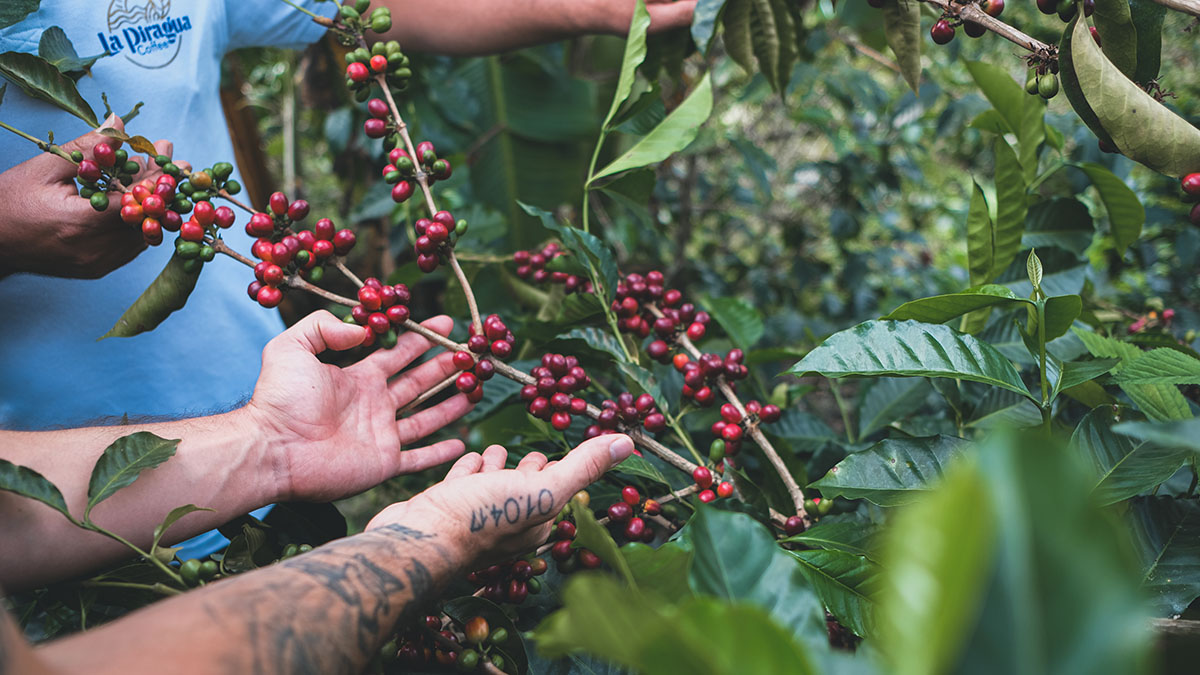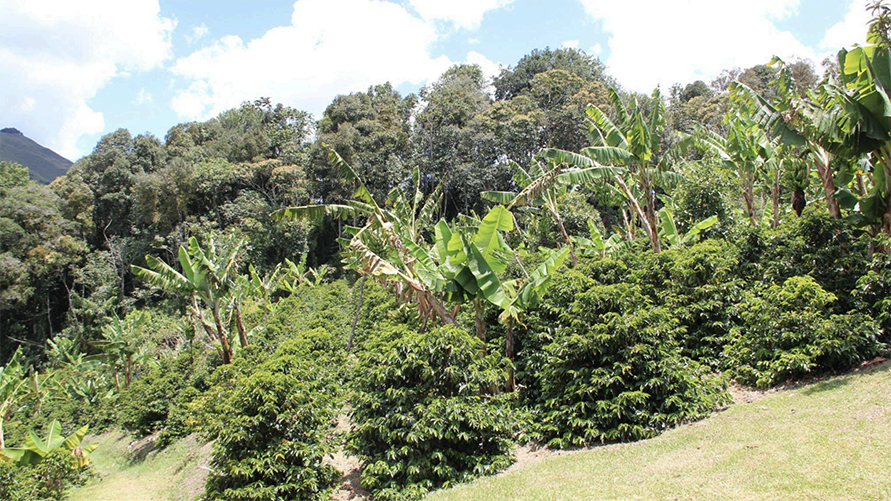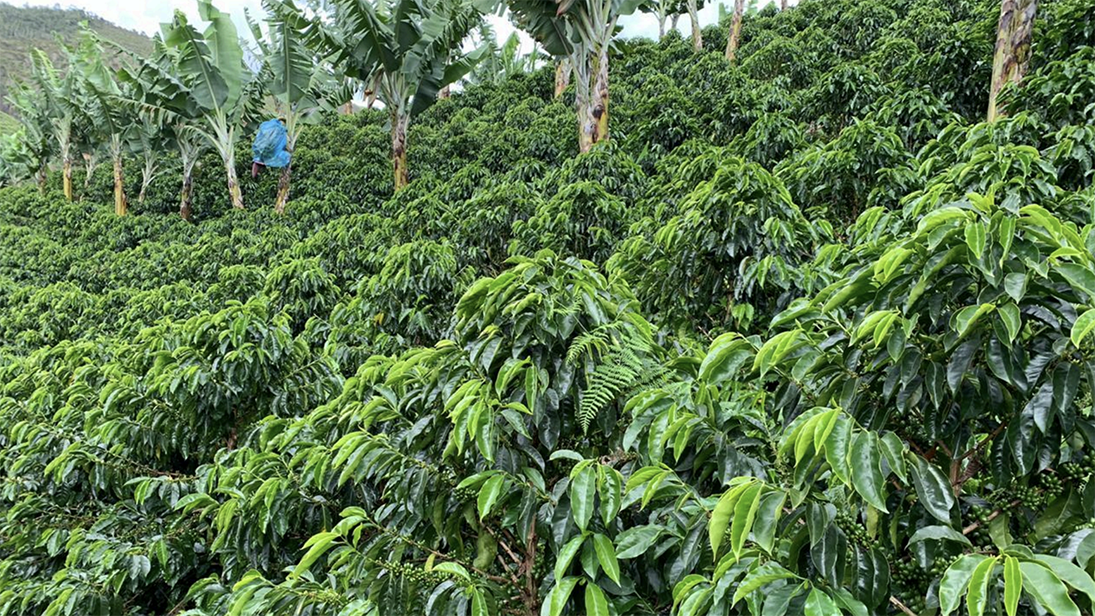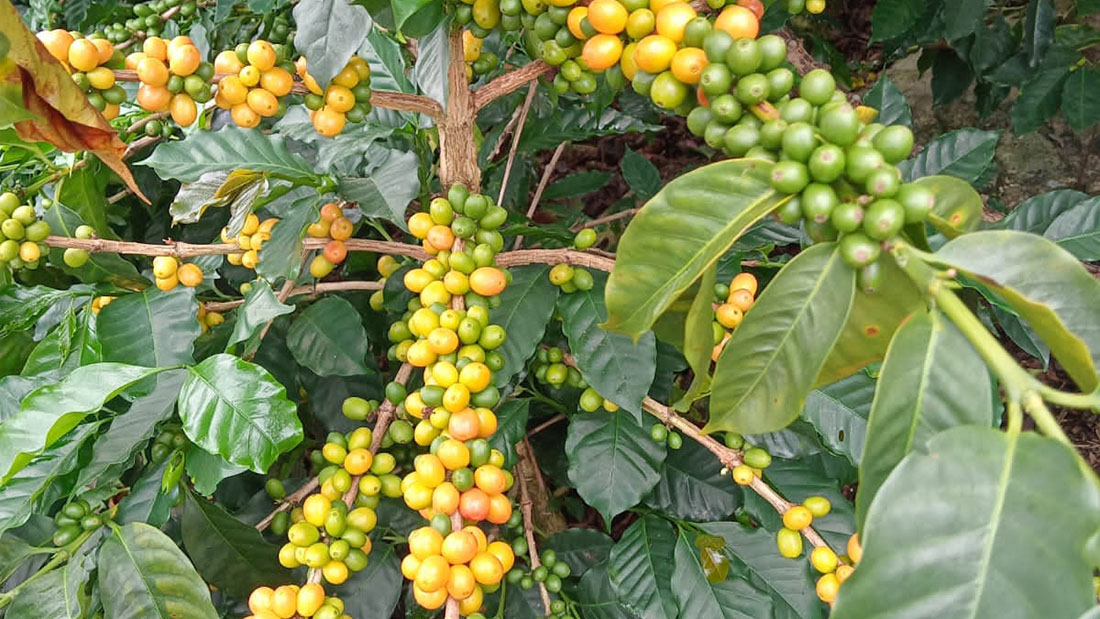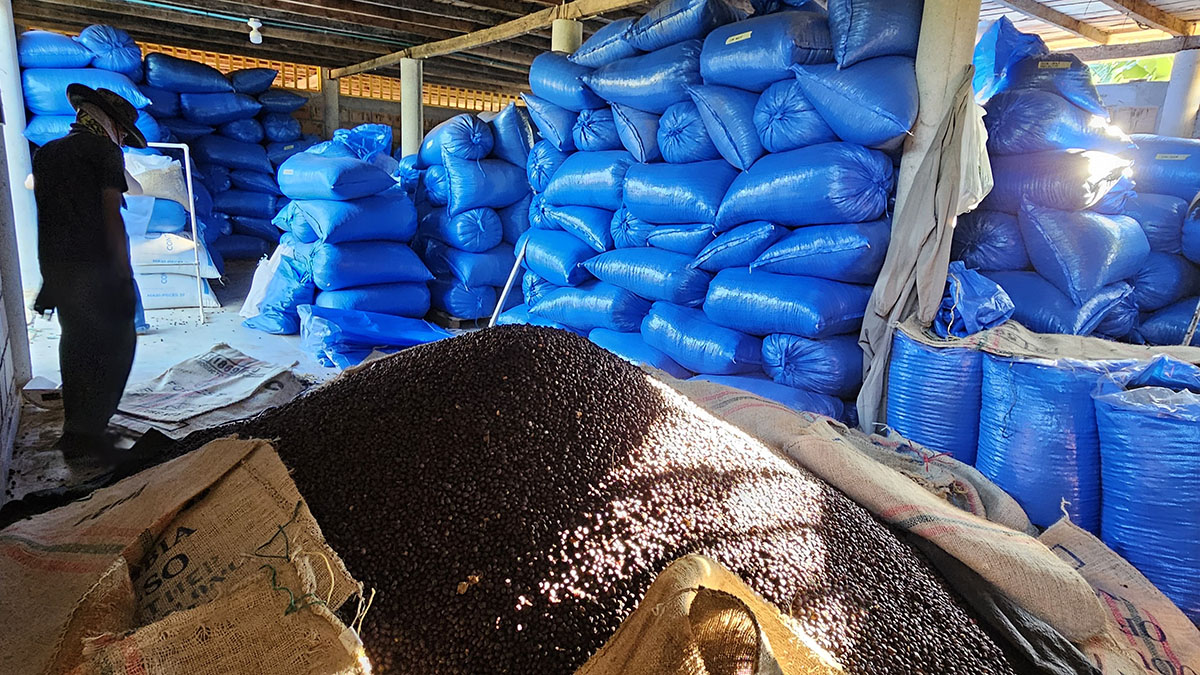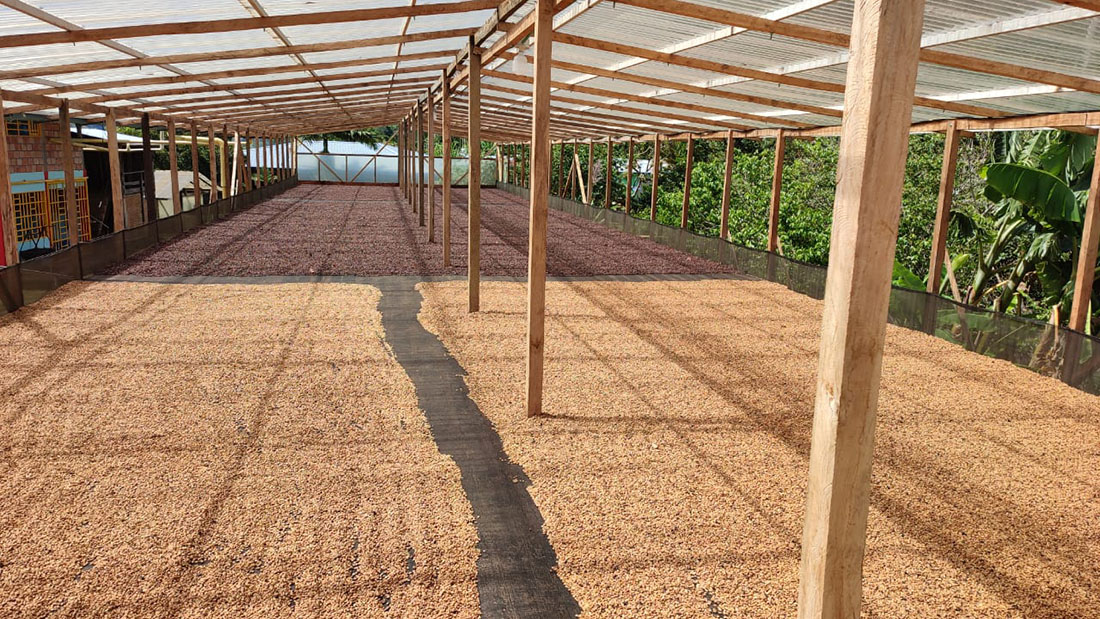
Colombian coffee is often regarded as some of the highest quality coffee in the world. Colombia has traditionally grown arabica beans and its unique geography makes it perfectly suited for producing a delicious, high quality brew. Coffee production in Colombia has a reputation for producing mild, well-balanced coffee beans.
Coffee first arrived in Colombia toward the end of the 18th century, initially planted in the northern regions of the country. While coffee began to be produced and exported commercially in the 1810s, volumes were small for many decades. During the 19th century, cultivation gradually expanded as plants were shared between farms and regions. Colombia did not truly emerge as a global coffee powerhouse until the 20th century, a transformation strongly supported by the creation and efforts of the Federación Nacional de Cafeteros de Colombia (FNC).
Established in 1927, the FNC operates as a non-governmental organisation dedicated to supporting Colombian coffee growers of all sizes, regardless of output. Its marketing division plays a key role in promoting specialty Colombian coffee to consumers at home and abroad. In partnership with the Department Committee of Coffee Growers of Quindío, the FNC also developed and continues to run a coffee-themed park, featuring attractions such as a coffee museum, landscaped coffee gardens, a traditional campesino house, and even a rollercoaster.
Common Arabica varieties:
Colombia, Castillo, Caturra, Typica, Bourbon, Tabi
Key growing regions:
Caldas, Quindío, Risaralda, Antioquia, Huila, Cauca, Nariño, Santander, and Tolima, Valle del Cauca
Harvest months:
Coffee is harvested almost year-round depending on the region
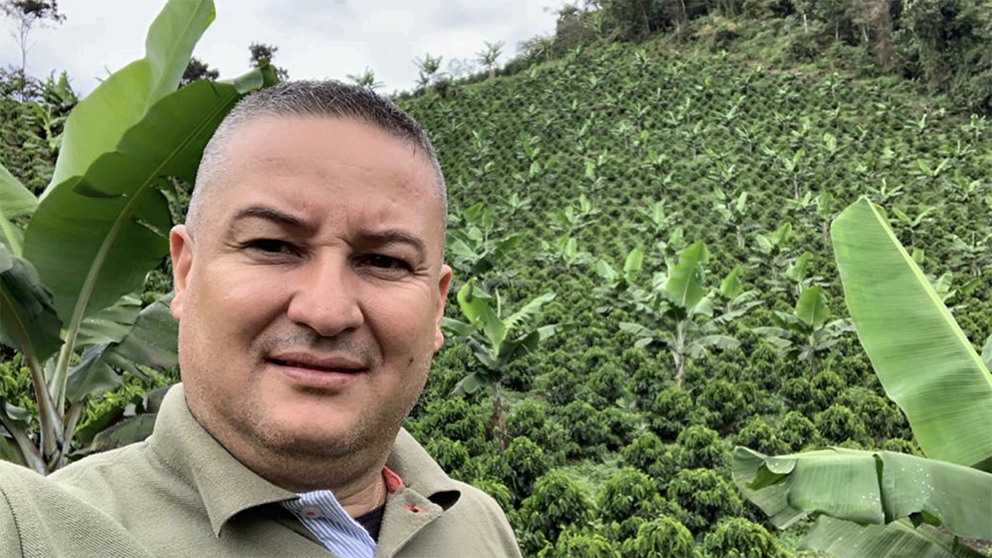
Born in the village of El Agrado, Alexander Cajiao follows in his grandfathers footsteps of coffee cultivation. Their family farm is located 8 kilometers from the town center, surrounded by lush mountains and bathed in the unmistakable aroma of coffee plantations. After studying Industrial Engineering, Alexander Cajiao realized that something was missing in life, quickly accepting his love for working with coffee.
Founding the ACC Por La Paz Association, there was a firm purpose of training the associated producers in the production of specialty coffees and seeking fair and sustainable ways to market the regions coffee.
Varietal: Castillo, Colombia, Pink Bourbon
Producer: Alexander Cajiao Buitron
Elevation: 1,750 MASL
Processing: Natural – 60hrs in cherry anaerobic fermentation bags
Region: Cauca
Cup Profile: FLORAL NOTES OF JASMINE HONEYSUCKLE AND ROSES, AND THE SWEETNESS OF VANILLA. CRISP ACIDITY WITH A JUICY BODY, AND WILD AFTERTASTE
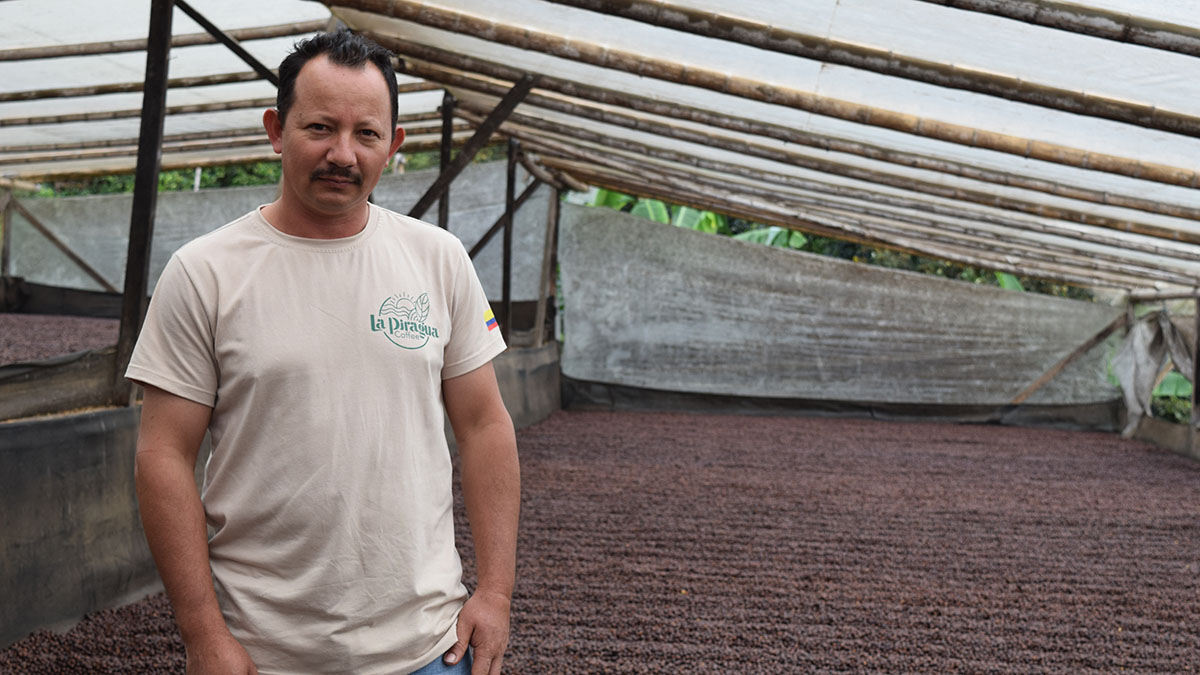
Alexander Vargas started his coffee journey at the age of 15, following in his parents’ footsteps. At 20, Alexander focused on specialty coffee production and has spent over 20 years refining his skills and experimenting with various coffee varieties and processes. At La Piragua farm, Alexander utilizes advanced techniques such as anaerobic processing for varieties like Pink Bourbon and Geisha;’s, and he has cultivated award-winning coffees that have earned him multiple national Cup of Excellence nominations.
Alexander’s dedication to the craft is mirrored in his community involvement. He believes in sharing knowledge and has helped mentor younger coffee farmers, ensuring the next generation of producers continues the tradition of excellence.
Varietal: Pink Bourbon
Producer: Alexander Vargas
Elevation: 1,600 – 1,800 MASL
Processing: Natural
Region: Acevedo, Huila
Cup Profile: TROPICAL FRUITS, CONCORD GRAPE, FLORAL, HERBAL AND STONE FRUIT. TEA-LIKE BODY WITH A CLEAN, JUICY AND LONG AFTERTASTE
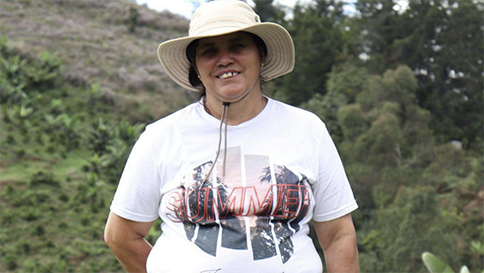
Carmen Cecilia is a coffee producer from Urrao, Antioquia. She has around 19.000 plants of coffee, only of caturra variety. They called caturra “chiroso” that is a mutation that appeared in the Antioquia region which presents a floral and citric profile. Carmen has been producing specialty coffee since 2011 when the Cooperative of Coffee Growers of Salgar provided courses and training on specialty coffee. Carmen Cecilia was the first place in the Colombian Cup of Excellence Competition where she sold the coffee at 45 USD/lb, the highest price in auctions for that time. Carmen says they have to be responsible in every process in the farm as many families are depending on the farms success.
Varietal: Caturra, Chiroso
Producer: Carmen Cecilia Montoya Patino
Elevation: 1,990 MASL
Processing: Washed Long Fermentation 96hrs
Region: Antioquia, Urrao
Cup Profile: SWEET CITRUS AND YELLOW FRUITS, SILKY BODY, SPICE, AND LOW ACIDITY.
Cauca is 100% mild Arabica coffee, mainly grown on small farms where it is selectively picked and processed, sticking to quality protocols and standards encouraged by the Colombian Coffee Growers Federation. Because of its location within Colombia and the particular characteristics of the Café de Cauca production area, this coffee has very particular sensorial and quality attributes in the cup.
Varietal: Castillo, Colombia
Producer: Various Smallholders
Elevation: 1,570 – 1,770 MASL
Processing: Washed, Sun-dried
Region: Cauca
Cup Profile: sweet flavour, strong caramel aroma and fragrance, with high acidity, medium body. overall impression is balanced, clean and mild with some sweet, floral notes
Varietal: Castillo, Caturra
Producer: Asociación Campesina Mano Amiga, Asociación Grupo De Mujeres La Esperanza Vereda San Isidro, Asociación De Caficultores Especiales De Corinto Cauca
Elevation: 1,700 – 2,000 MASL
Processing: Washed
Region: Cauca
Cup Profile: chocolatey, clean, well- balanced acidity and citrus and molases sweetness
Cauca is located in Southern Colombia where coffee is grown in fertile, volcanic soil. The Cordillera de Occidental, Central and Oriental (mountain ranges) offer unique climatic conditions favourable for high quality coffee, with more than 94,000 families growing coffee. This blend was selected from farmers in 17 municipalities. Average altitude is 1760 masl and varieties include Castillo, Colombia and Caturra.
Varietal: Castillo, Colombia, Caturra
Producer: Various Smallholders
Elevation: 1,600 – 1,770 MASL
Processing: Washed, Sun-dried
Region: Popayan, Cauca
Cup Profile: medium-bodied with balanced acidity, subtle berry notes, and rich aroma. the popayan expresses itself as lush fruit in a sweetly-toned body and exemplifies the classic cup
Varietal: Castillo, Caturra
Producer: Various Smallholders
Elevation: 1,300 – 1,800 MASL
Processing: Washed
Region: Cauca
Cup Profile: Sweet chocolate with a slight nuttiness and an incredibly smooth caramel finish
La Luisa Farm is a coffee estate located in the region of Trujillo, Valle del Cauca, Colombia. Situated at an altitude above 1,600 meters above sea level, the farm offers a diverse portfolio of coffee varieties. La Luisa Farm has been in the family for five generations, always focusing on cultivating and producing eco-friendly, shade-grown coffees.
Varietal: Caturra, Chiroso
Producer: Luis Ernesto Guzmán Giraldo
Elevation: 1,600 MASL
Processing: Honey
Region: Valle Del Cauca
Cup Profile: THIS COFFEE FEATURES HERBAL, FLORAL, JASMINE, AND CITRIC NOTES, COMBINED WITH FRUITY NOTES.
La Luisa Farm is a coffee estate located in the region of Trujillo, Valle del Cauca, Colombia. Situated at an altitude above 1,600 meters above sea level, the farm offers a diverse portfolio of coffee varieties. La Luisa Farm has been in the family for five generations, always focusing on cultivating and producing eco-friendly, shade-grown coffees.
Varietal: Colombia F6, Tabi, Castillo
Producer: Luis Ernesto Guzmán Giraldo
Elevation: 1,600 MASL
Processing: Washed
Region: Valle Del Cauca
Cup Profile: THIS COFFEE FEATURES A MEDIUM CITRIC ACIDITY, NOTES OF CHOCOLATE AND SUGARCANE, AND A SOLID REPRESENTATION OF THE COFFEE PROFILE TYPICAL OF TRUJILLO. IT IS A WELL- BALANCED STATE WASHED COFFEE WITH NOTABLE ATTRIBUTES FROM THE VALLE DEL CAUCA REGION.
La Luisa Farm is a coffee estate located in the region of Trujillo, Valle del Cauca, Colombia. Situated at an altitude above 1,600 meters above sea level, the farm offers a diverse portfolio of coffee varieties. La Luisa Farm has been in the family for five generations, always focusing on cultivating and producing eco-friendly, shade-grown coffees.
Varietal: Colombia F6
Producer: Luis Ernesto Guzmán Giraldo
Elevation: 1,600 MASL
Processing: Honey
Region: Valle Del Cauca
Cup Profile: THIS COFFEE FEATURES FLORAL NOTES, RAISINS, DARK CHOCOLATE, YELLOW FRUITS, AND LEMONGRASS.
La Luisa Farm is a coffee estate located in the region of Trujillo, Valle del Cauca, Colombia. Situated at an altitude above 1,600 meters above sea level, the farm offers a diverse portfolio of coffee varieties. La Luisa Farm has been in the family for five generations, always focusing on cultivating and producing eco-friendly, shade-grown coffees.
Varietal: Pink Bourbon
Producer: Luis Ernesto Guzmán Giraldo
Elevation: 1,600 MASL
Processing: Natural
Region: Valle Del Cauca
Cup Profile: THIS COFFEE FEATURES FLORAL NOTES, CARAMEL, WINEY CHARACTERISTICS, WHITE CHOCOLATE, YELLOW FRUITS, PANELA, MOLASSES, AND ROSÉ WINE.
Meta is not one of Colombia’s most traditional coffee-growing regions. The Eastern Region of Meta’s proximity to Mexico’s gulfs, these regions tend to have more rainy seasons, which affects the flavor of the crop.
Farmers spread knowledge of good agricultural practices while improving coffee quality and farm productivity.
Varietal: Castillo, Colombia
Producer: Various Smallholders
Elevation: 1,300 – 1,560 MASL
Processing: Washed
Region: Serranía De La Macarena, Meta Department
Cup Profile: CRISP ACIDITY, NOTES OF BITTERSWEET CHOCOLATE, AND A SWEETNESS OF BUTTER AND MOLASSES WITH HINTS OF CITRUS. STRUCTURED AND BALANCED WITH A SYRUPY BODY AND LINGERING AFTERTASTE
Third generation of coffee growers, a lifelong coffee tradition. The expectations are to improve the quality of life of the whole family, taking into account the protection of the environment and the protection of the worker. The family consists Edgar and his wife and two little girls.
Varietal: Caturra, Chiroso
Producer: Edgar Leon Moreno Gonzalez
Elevation: 2,000 MASL
Processing: Washed -long fermentation 72hrs in in mucilage
Region: Antioquia
Cup Profile: DELICATE, NOTES OF PANELA AND CARAMEL, LIGHT CITRUS, BRIGHT ACIDITY AND BALANCED
Eduardo, a seasoned coffee grower from Nariño, recently shifted gears to a new project in Huila, marking a departure from his familiar grounds. His focus? Establishing a cutting-edge coffee processing plant. This initiative isn’t just about processing coffee; it’s a deliberate effort to boost the production of specialty coffees in the Huila region.
Eduardo’s journey in Huila is fueled by a desire to create remarkable coffee experiences. Leveraging the unique characteristics of the region, he experiments with various coffee varieties and processing methods. With his extensive background, Eduardo strives to unlock the full potential of Huila’s coffee, contributing to its reputation for producing top-tier specialty coffees.
Varietal: Caturra
Producer: Eduardo Armero Martinez
Elevation: 1,700 MASL
Processing: Washed -double long fermentation 72hrs in cherry | 48hrs in mucilage
Region: Huila
Cup Profile: CRISP ACIDITY, NOTES AND AROMA OF DARK CHOCOLATE AND COLA. CLEAN AFTERTASTE
Eduardo, a seasoned coffee grower from Nariño, recently shifted gears to a new project in Huila, marking a departure from his familiar grounds. His focus? Establishing a cutting-edge coffee processing plant. This initiative isn’t just about processing coffee; it’s a deliberate effort to boost the production of specialty coffees in the Huila region.
Eduardo’s journey in Huila is fueled by a desire to create remarkable coffee experiences. Leveraging the unique characteristics of the region, he experiments with various coffee varieties and processing methods. With his extensive background, Eduardo strives to unlock the full potential of Huila’s coffee, contributing to its reputation for producing top-tier specialty coffees.
Varietal: Pink Bourbon
Producer: Eduardo Armero Martinez
Elevation: 1,780 MASL
Processing: Natural Anaerobic
Region: Huila
Cup Profile: CLEAN WITH NOTES OF STONEFRUIT APRICOT AND CEDAR WITH A DELICATE AFTERTASTE, JUICY AND ROUNDED BODY WITH BRIGHT ACIDITY
Colombia is the third largest coffee growing country in the world. “Excelso” is a grading term for coffee exported from Colombia, not related to variety or cupping profile. EP (European Preparation) specifies that the raw beans are all hand sorted to remove any defective beans and foreign material.
Varietal: Castillo, Colombia
Producer: Various Smallholders
Elevation: 1,570 – 1,770 MASL
Processing: Washed, Sun-dried
Region: Various Regions
Cup Profile: citrus flavor, medium-bodied, rich acidity with clean, sweet aftertaste
Fredy belongs to a cooperative called Villa de Don Juan which is a new generation of coffee growers, young producers of the third generation of a family near Pitalito, Huila.
Fredy is a third generation coffee grower himself, he shares the passion for coffee production with his parents whom from a young age taught him everything there is about growing coffee. Nowadays, he works on the farm together with his family: his wife, their three daughters and his father. Family is the main motivation for Fredy in all the labors, and it helps him to focus on high quality coffee in every part of the process.
Varietal: Pacamara
Producer: Fredy Leonardo Gomez
Elevation: 1,720 MASL
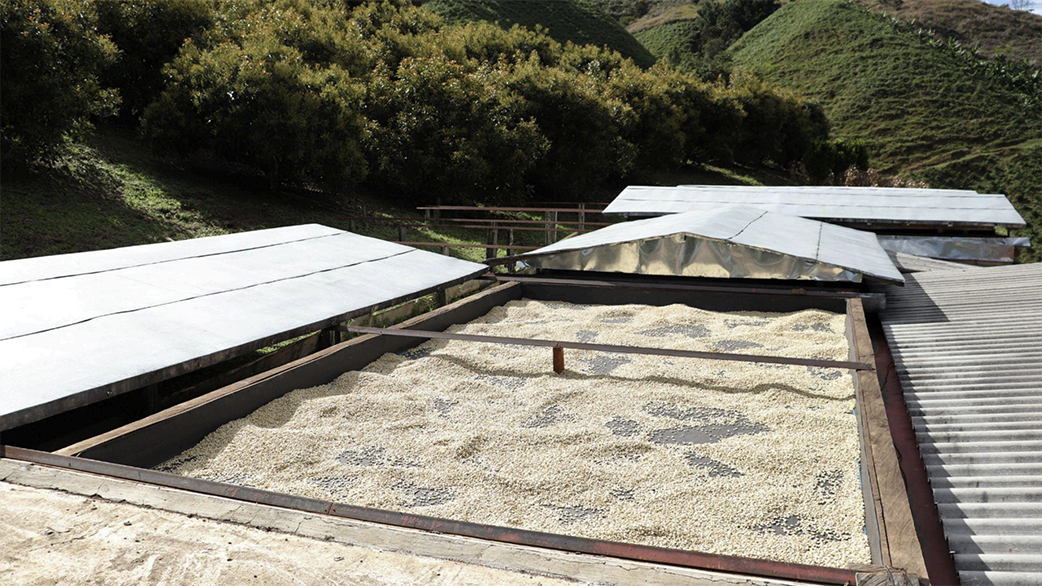
Processing: Washed, followed by a fermentation of 24hrs in cherry and 24hrs in mucilage, picking ripe cherries and letting them ferment in cherry for 24hrs. Lastly, sun-drying in beds for around 10-15 days
Region: Huila
Cup Profile: BRIGHT ACIDITY. SWEET TROPICAL FRUIT AROMA. FLAVOURS OF BLUEBERRY, PAPAYA, BROWN SUGAR WITH A ROUND BODY AND A LINGERING AFTERTASTE
Huila is a department in southern Colombia, spanned by the Andes mountains and home to towering Nevado del Huila volcano. It is located in the southwest of the country, and its capital is Neiva.
Varietal: Colombia, Castillo
Producer: Cooperativa Coagrobrisas
Elevation: 1,700 – 2,000 MASL
Processing: Washed
Region: Huila
Cup Profile: strong caramel aroma and fragrance, with high acidity, medium body, balanced, clean and mild overall impression with some sweet and floral notes
John Wilmer Cuellar grew up in the world of coffee, becoming a third-generation coffee farmer in the beautiful region of Acevedo, Huila. His family has worked the land for years and today, John continues the tradition with passion. He has been focused on coffee cultivation for the last 15 years, running a 10-hectare farm called Las Brisas. What sets John’s farm apart is his love for experimenting with new coffee varieties and processes. He enjoys working with traditional methods, but he’s also passionate about exploring newer fermentation techniques like oxidation and anaerobic methods.
For John, the most rewarding part of coffee farming is the tasting process. After all the hard work of cultivation, processing, and drying, John loves to sample the coffee and explore the unique profiles of each batch.
Varietal: Ombligon
Producer: John Wilmer Cuellar
Elevation: 1,800 MASL
Processing: Natural
Region: Acevedo, Huila
Cup Profile: FLORAL NOTES OF ROSES, BLUEBERRY AND BROWN SUGAR SWEETNESS. SMOOTH BODY, WITH A LINGERING AND COMPLEX AFTERTASTE. JUICY AND BRIGHT ACIDITY.
John Wilmer Cuellar grew up in the world of coffee, becoming a third-generation coffee farmer in the beautiful region of Acevedo, Huila. His family has worked the land for years and today, John continues the tradition with passion. He has been focused on coffee cultivation for the last 15 years, running a 10-hectare farm called Las Brisas. What sets John’s farm apart is his love for experimenting with new coffee varieties and processes. He enjoys working with traditional methods, but he’s also passionate about exploring newer fermentation techniques like oxidation and anaerobic methods.
For John, the most rewarding part of coffee farming is the tasting process. After all the hard work of cultivation, processing, and drying, John loves to sample the coffee and explore the unique profiles of each batch.
Varietal: Pacamara
Producer: John Wilmer Cuellar
Elevation: 1,800 MASL
Processing: Natural
Region: Acevedo, Huila
Cup Profile: GRAPE, DRIED FRUITS, SWEETNESS OF CARAMEL AND MAPLE SYRUP. JUICY BODY, CLEAN ACIDITY, LINGERING AFTERTASTE.
John Wilmer Cuellar grew up in the world of coffee, becoming a third-generation coffee farmer in the beautiful region of Acevedo, Huila. His family has worked the land for years and today, John continues the tradition with passion. He has been focused on coffee cultivation for the last 15 years, running a 10-hectare farm called Las Brisas. What sets John’s farm apart is his love for experimenting with new coffee varieties and processes. He enjoys working with traditional methods, but he’s also passionate about exploring newer fermentation techniques like oxidation and anaerobic methods.
For John, the most rewarding part of coffee farming is the tasting process. After all the hard work of cultivation, processing, and drying, John loves to sample the coffee and explore the unique profiles of each batch.
Varietal: SL 28
Producer: John Wilmer Cuellar
Elevation: 1,800 MASL
Processing: Natural
Region: Acevedo, Huila
Cup Profile: CRISP ACIDITY. SWEET CARAMEL, CHERRY AND STRAWBERRY. TOASTED NUT, JUICY BODY AND DEEP AFTERTASTE.
Jorge’s life revolves around coffee. Living on the family farm ‘El Tesoro’ with his wife and children, Jorge sees it as being more than just a coffee farm, but a commitment to nature conservation. Jorge has a strong belief in sustainable farming practices and respect for the surrounding environment. Jorge’s primary focus is on producing high quality coffee but also sees his farm ‘El Tesoro’ as a legacy in the making. It is a livelihood; it’s a sanctuary where passion, tradition, and innovation converge. Jorge’s goal is not only to continue the family’s tradition but to push the boundaries of what’s possible in coffee production.
Varietal: Caturra – Colombia
Producer: Jorge Enrique Armero
Elevation: 1,890 MASL
Processing: Natural (Anaerobic) cherry fermentation 24hrs
Region: Nariño
Cup Profile: CLEAN AND TART ACIDITY, SWEETNESS OF CREAM, CRANBERRY AND HOPS WITH A JUICY BODY, STRUCTURED.
1,900 young coffee growers, ages ranging between 18 and 38, are part of the National Coffee Growers Federation and have their coffee grower ID. The purchase of young coffee producers’ coffee at a remunerative price, guarantees the future sustainability of the quality and the farms.
Varietal: Castillo, Colombia, Cenicafe1, Tabi
Producer: Various Producers
Elevation: 1,200 – 1800 MASL
Processing: Washed
Region: North Santander
Cup Profile: CRISP AND CLEAN ACIDITY WITH A CITRUS AROMA. FLAVOURS OF CLEMENTINE, MANDARIN, GRAPEFRUIT, AND BERGAMOT WITH A DELICATE AND BALANCED FINISH
The region around Concepcion Antioquia is known for its agricultural activities, particularly coffee cultivation. Coffee production is an essential component of the local economy, Antioquia is the largest for production and where it all began plantations date back to the early 1800s.
Overall, Concepcion Antioquia is a charming and picturesque town in Colombia, offering a blend of natural beauty, cultural heritage, and a tranquil atmosphere that draws both locals and tourists looking for a peaceful escape.
Varietal: Castillo, Colombia, Caturra
Producer: Various Producers
Elevation: 1,300 – 1,600 MASL
Processing: Washed
Region: Antioquia Department
Cup Profile: BRIGHT AND CLEAN ACIDITY WITH A JUICY BODY, NOTES OF PLUM, GREEN APPLE, AND BAKERS CHOCOLATE
La Esmeralda is a family farm in San Vicente del Caguán, Caquetá, owned and operated by the Rodríguez family. Caquetá is a department in the south of Colombia, where they have many flatlands. However, on the west side of the department, the Eastern mountain range starts and this is where coffee is being grown. The Rodríguez family on their La Esmeralda farm is very much focused on specialty coffee. They are constantly looking to improve the processes in the farm, experimenting in the farm and cupping their own coffee in order to find the best way to highlight the amazing quality of their coffees.
Varietal: Castillo, Caturra
Producer: Luis Andres Rodriguez
Elevation: 1,800 MASL
Processing: Natural anaerobic (fermentation in sealed plastic bags for 54hrs at controlled temperature, then drying 30 days, stabilising the coffee in grain-to bags for another 15 days before selling the coffee)
Region: Caquetá
Cup Profile: CRISP ACIDITY AND A ROUDNED, COATING BODY. MANGO, MAPLE SYRUP, PASSIONFRUIT, WITH A FLORAL JASMINE HONEYSUCKLE FINISH. A LINGERING AFTERTASTE, BALANCED NICELY
Doña Mónica was born on the coffee farm from her parents, in Pitalito, Huila. From a very young age, she showed interest in the labors on the farm and she was always helping out her father in the different tasks in the coffee production. Monica and her husband return to their hometown Pitalito and they were able to buy a coffee farm. The farm had a poor processing infrastructure at the time, which is the reason they started to produce coffee with the natural process. A couple of years ago they saw the real potential in quality, and nowadays they are fully focused on producing high-quality coffee. Their ultimate dream is to be recognised worldwide for the quality of their coffee.
Varietal: Pink Bourbon
Producer: Mónica Diaz Ruiz
Elevation: 1,650 MASL
Processing: Natural
Region: Huila
Cup Profile: BRIGHT ACIDITY, DELICATE AND SOFT, WITH NOTES OF BLACK TEA, BERGAMOT, JASMINE HONEYSUCKLE, CLEAN AFTERTASTE WITH A SILKY BODY
Established on November 5th, 2015, the association of women, known by its acronym EMURSA (Equipo de Mujeres Rurales de San Alberto), was founded with a shared vision of fostering collaborative efforts within the community. Their endeavor revolves around concerted teamwork, with the unwavering support of their families, the San Alberto community, the Coffee Committee of Norte de Santander, and the National Natural Park TAMA, which houses the community.
Originating with 22 visionary women who recognized the potential of collective action, by 2023 the association has grown to encompass 28 formally registered members. As a result of the geographical constraints, the absence of access to chemical fertilizers culminates in the cultivation of exclusively organic produce. In a pursuit of continuous improvement, women of EMURSA aspire to secure organic certification, enabling them to command premium prices for their coffee.
Varietal: Castillo, Colombia
Producer: Various Producers
Elevation: 1,574 MASL
Processing: Washed followed by 24hrs fermentation in tanks with manual selection of the best beans during picking, depulping and drying in beds for 15-20 days.
Region: San Alberto
Cup Profile: SOFT ACIDITY, NUTTY AROMA, FLAVOURS OF CACAO NIBS, ALMOND, HONEY, JASMINE HONEYSUCKLE WITH A SMOOTH AND DELICATE AFTERTASTE
Tolima is the central part of the Colombian Andes. The cooperative has 2.183 coffee growers and produce an estimated 100,000 bags of coffee. 23% of the coffee growers are women.
Varietal: Caturra, Colombia, Typica, Castillo
Producer: Various Smallholders
Elevation: 1,300 – 1,600 MASL
Processing: Fully Washed
Region: Planadas Department
Cup Profile: bright, cherry, blackberry and mango, along with a syrupy mouth feel and pleasant, lingering finish
Tolima is the central part of the Colombian Andes. The cooperative has 2.183 coffee growers and produce an estimated 100,000 bags of coffee. 23% of the coffee growers are women
Varietal: Castillo, Colombia
Producer: Various Producers
Elevation: 1,300 – 1600 MASL
Processing: Washed
Region: Planadas Department
Cup Profile: CHOCOLATE AROMA, MEDIUM ACIDITY, FLAVOURS OF NUTS AND COCOA, MEDIUM BODY, SILKY FINISH